We work at the grassroots level directly through collaboration with stakeholders, people’s organizations, and civil society organizations, to ensure access to health, education, livelihood opportunities, at the same time addressing the issues of climate change through promoting sustainable practices. Our activities are carried out across 4 thematic areas:
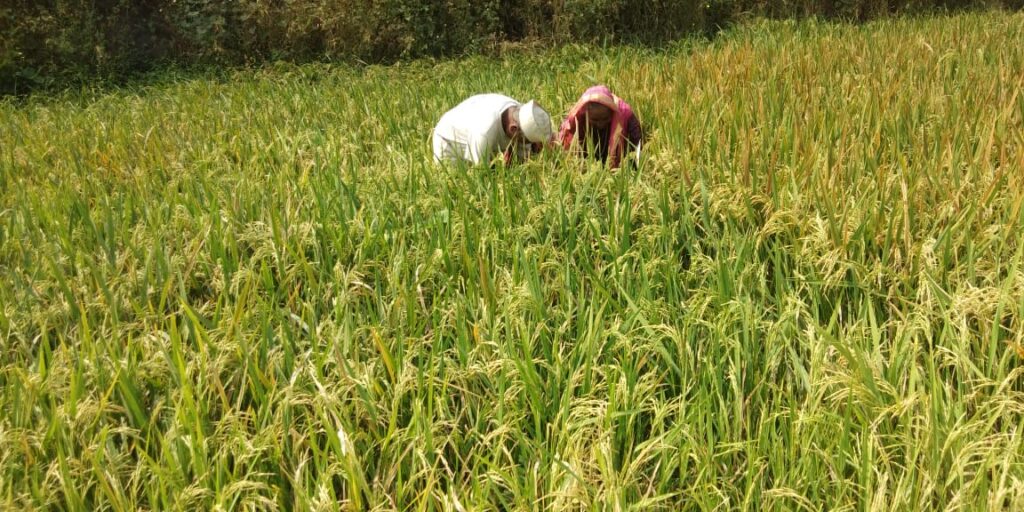
Natural Farming
Excessive use of chemical fertilizers and pesticides in agriculture are the key reasons for ever increasing pollution of groundwater and the environment. Natural farming practices minimize the effects of climate change and foster a healthier ecosystem.
One of the key interventions of CDRA is on promoting Natural farming so as to improve the productivity of the land through use of organic methods.
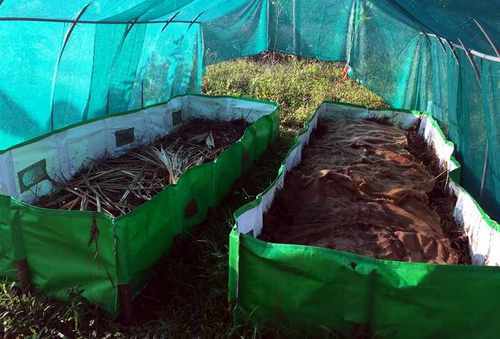
Access to Livelihood
Livelihood is the most important aspect for the existence of human society in the current scenario. Due to lack of opportunities in the rural areas a lot of community members are migrating to semi-urban and urban areas in search of livelihood.
CDRA thus works on enhancing the skills among the community members so as to improve their livelihood in their traditional habitat.
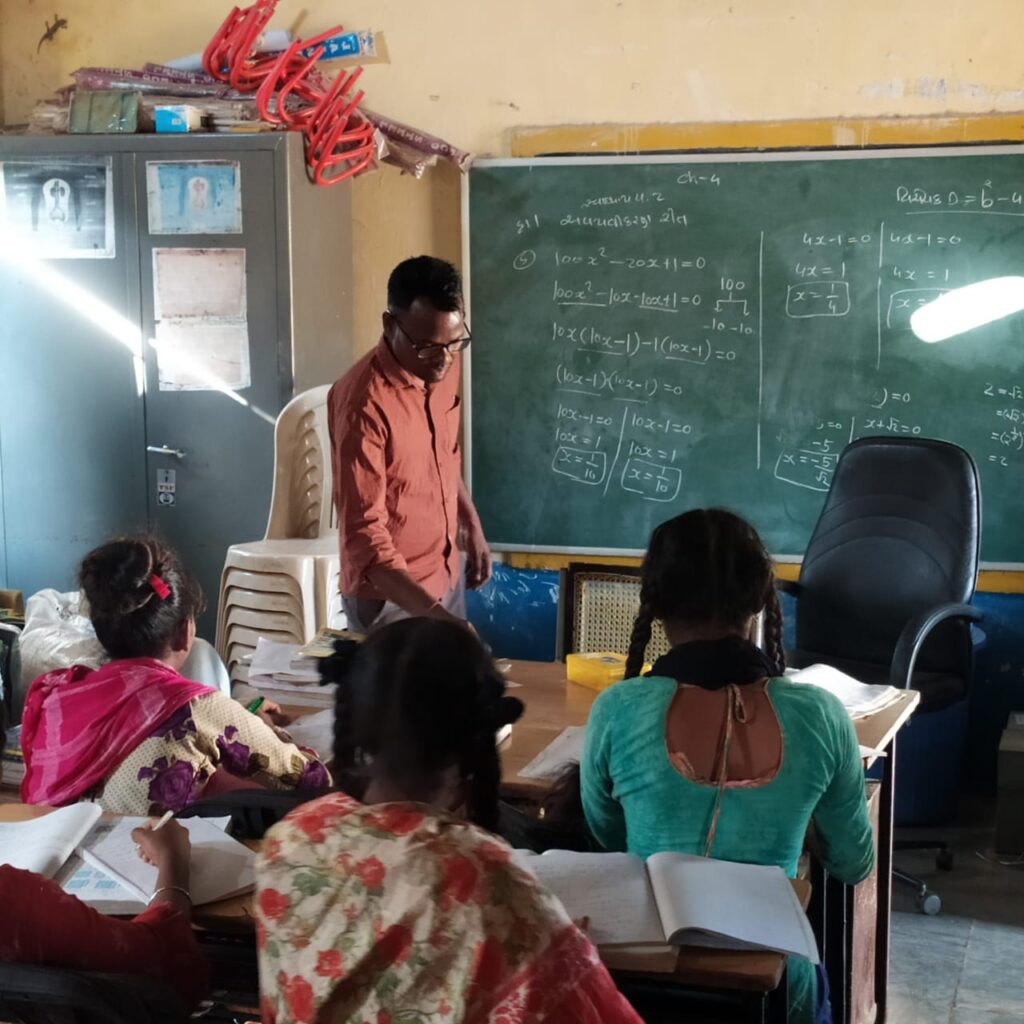
Equitable Education
Equity in education means socio-economic circumstances such as gender, regionality, caste or economic background should not be obstacles in access to education.
Children from the remote rural areas face multiple challenges to access quality education due to lack of adequate infrastructure, learning material, and qualified teachers to equip them with the appropriate learning levels. This leads to many children dropping out after primary schooling.
Education intervention of CDRA focuses on ensuring access to better learning resources for the children from the remote rural areas.
Health & Hygiene
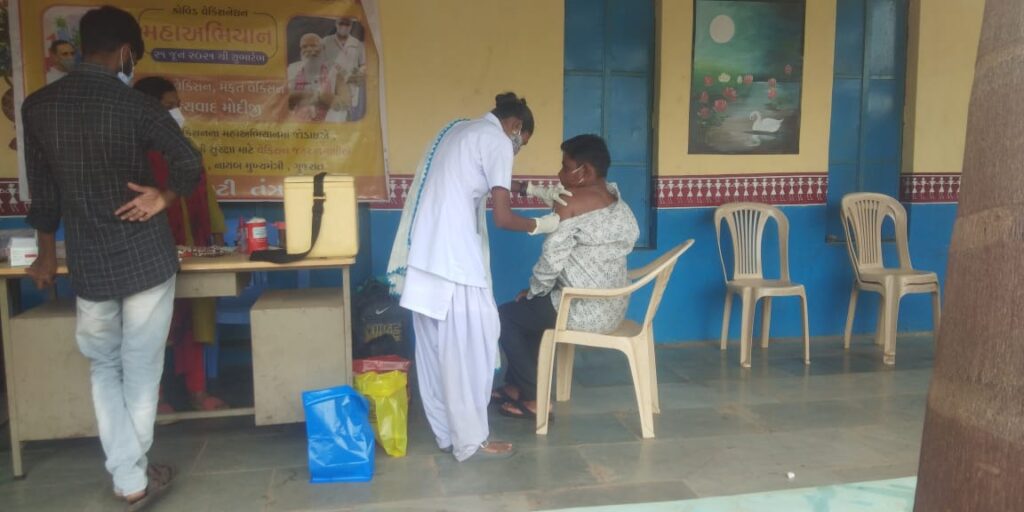
Good health is essential for overall development and improved quality of life for the community. This can be achieved be adopting healthy hygiene & nutritional habits.
CDRA is committed to extend its support to the marginalized community through health education, basic health screening, and facilitating access to healthcare services in the remotest villages.